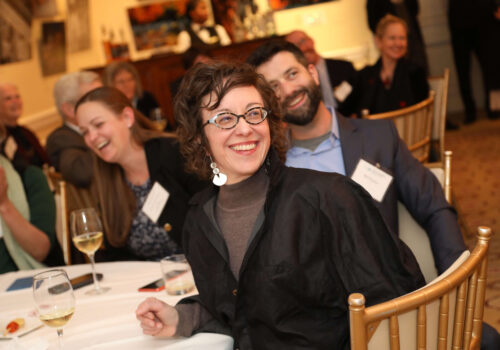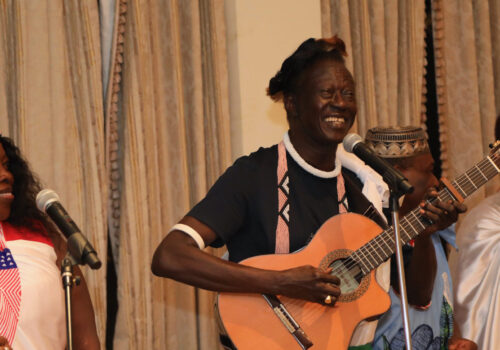
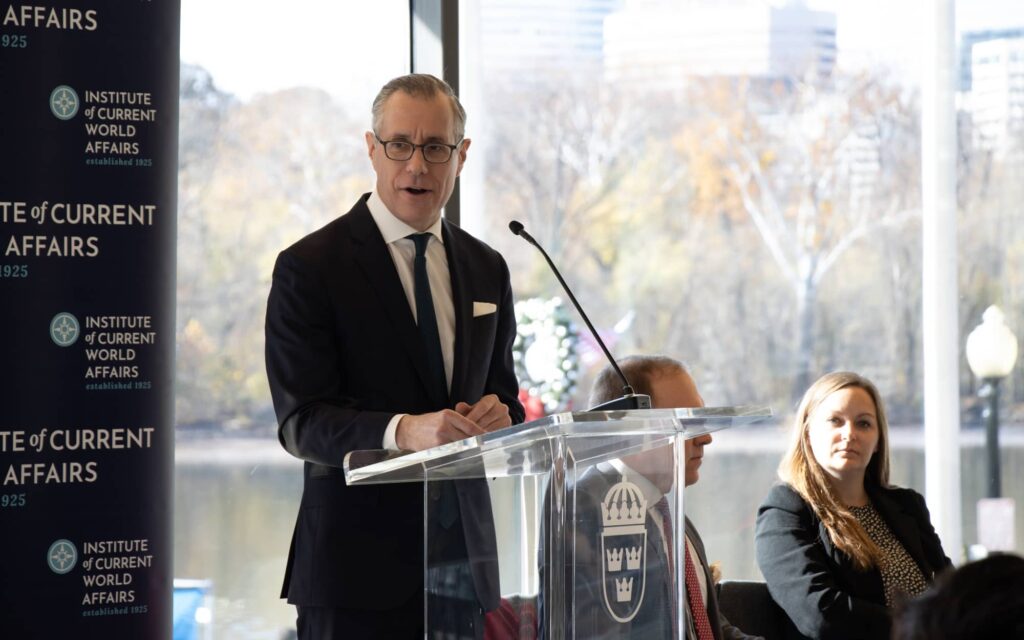
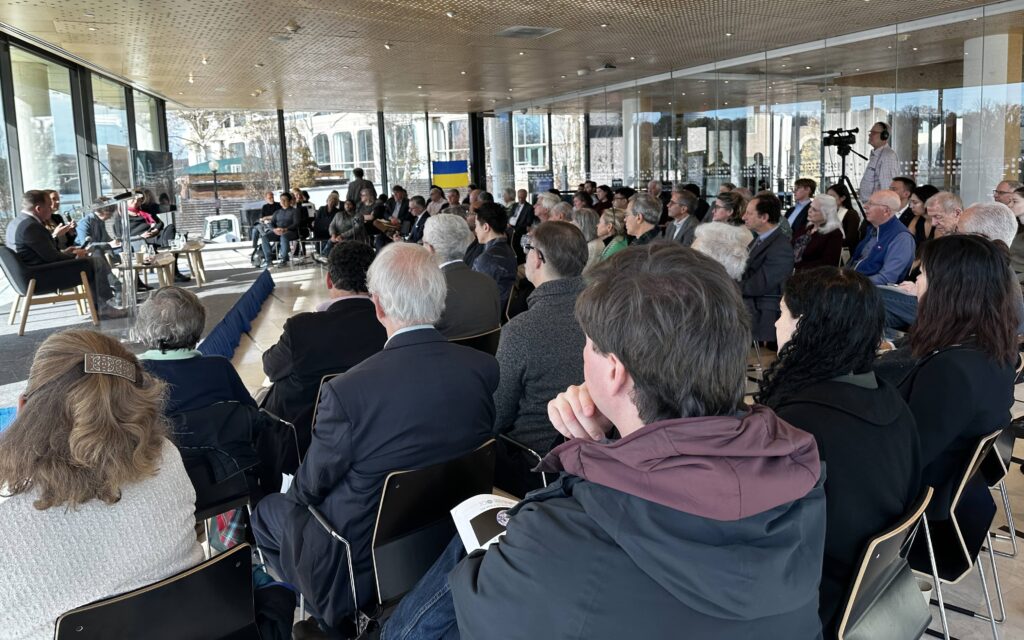
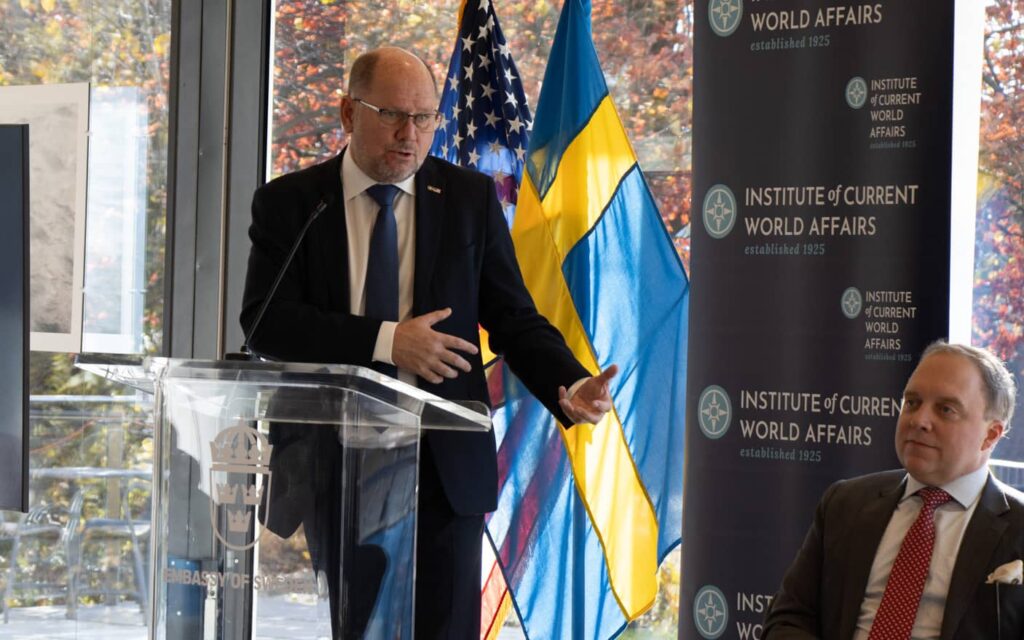
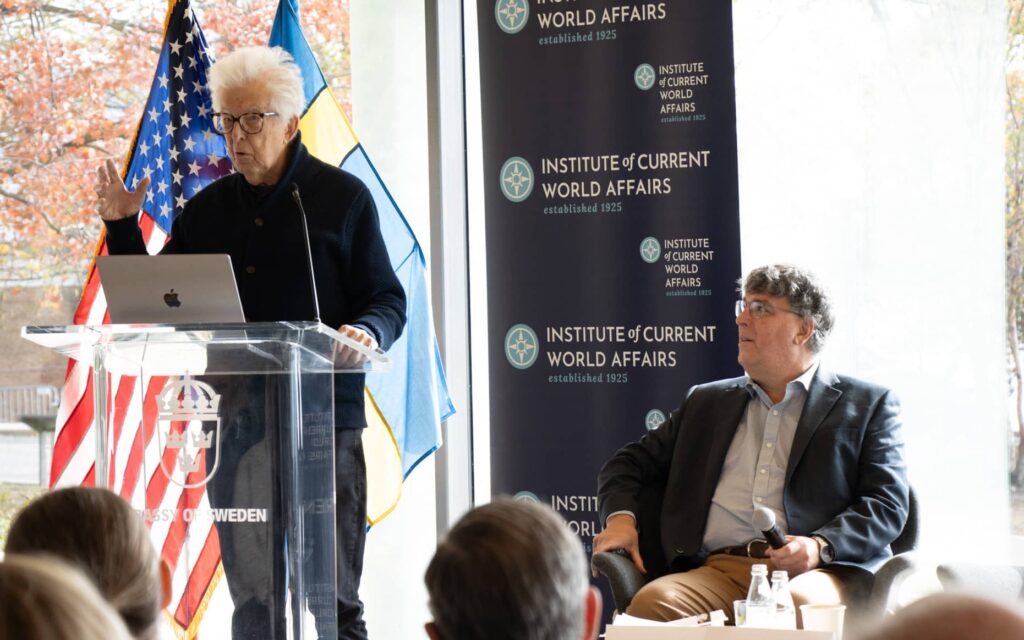
“How do we get back to a situation where democracy, human rights and a labor-market economy are a beacon for people around the world?” Swedish Ambassador Urban Ahlin told a packed room at the House of Sweden on the Potomac River in Washington DC’s Georgetown, kicking off a day of engrossing discussion and recounting with ICWA former fellows on Nov. 14. When authoritarianism is gaining ground, Ahlin said, it’s vital for globally minded people to plot a course for the future.
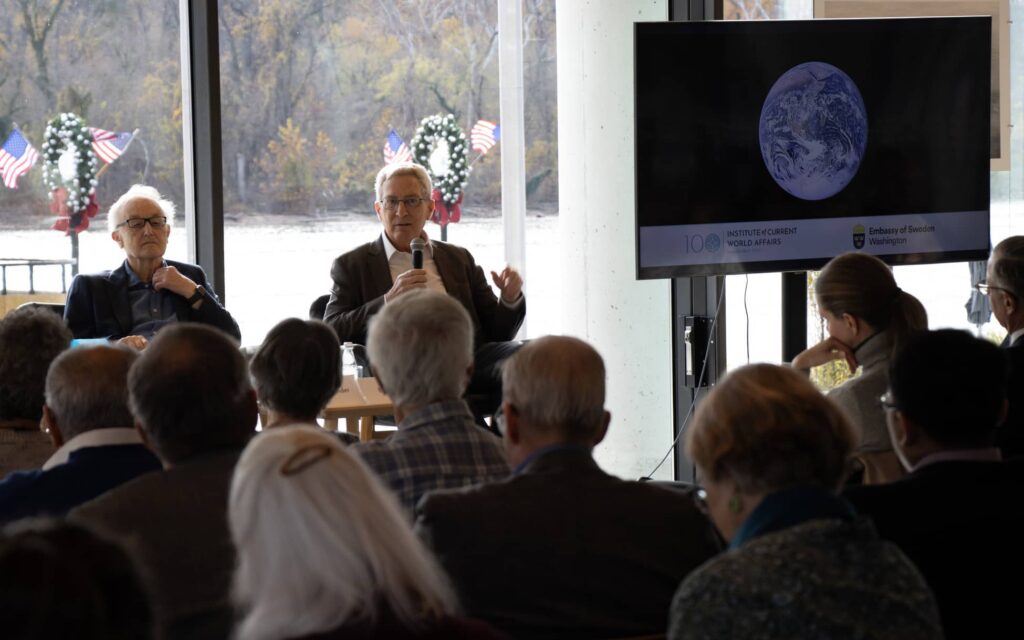
His words deftly set the stage for “The World We Want to Live In,” four wide-ranging panel talks, about advancing democracy, a sustainable environment, equitability and culture, among distinguished fellows gathered for the institute’s centenary. Drawing heavily on their fellowship experiences, they made connections between their various professional fields while examining the challenges facing global society at this pivotal moment in history.
The event was co-hosted with the Embassy of Sweden.
The New Political Movements
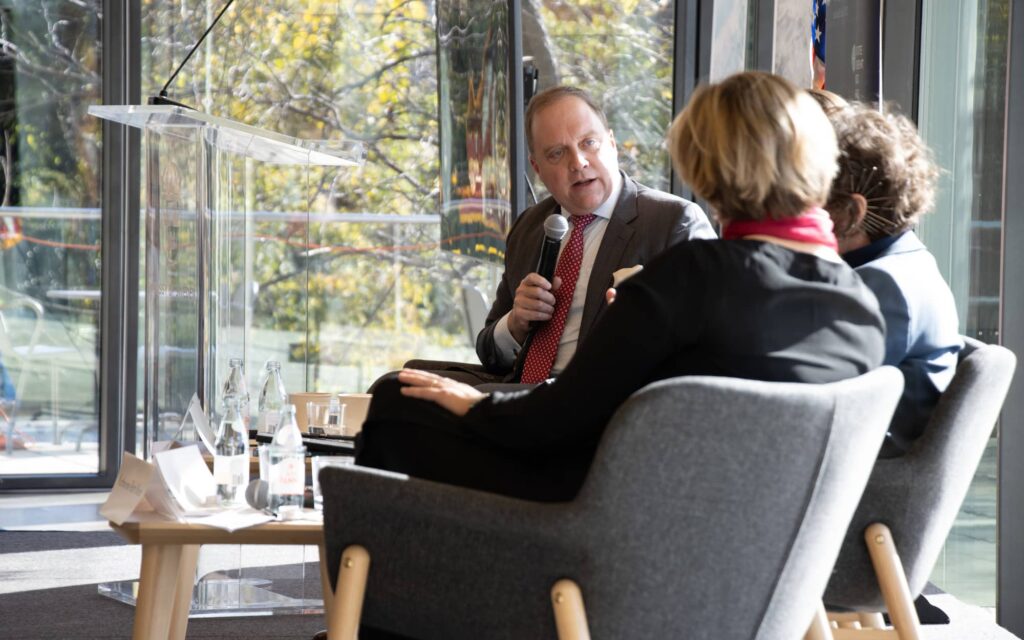
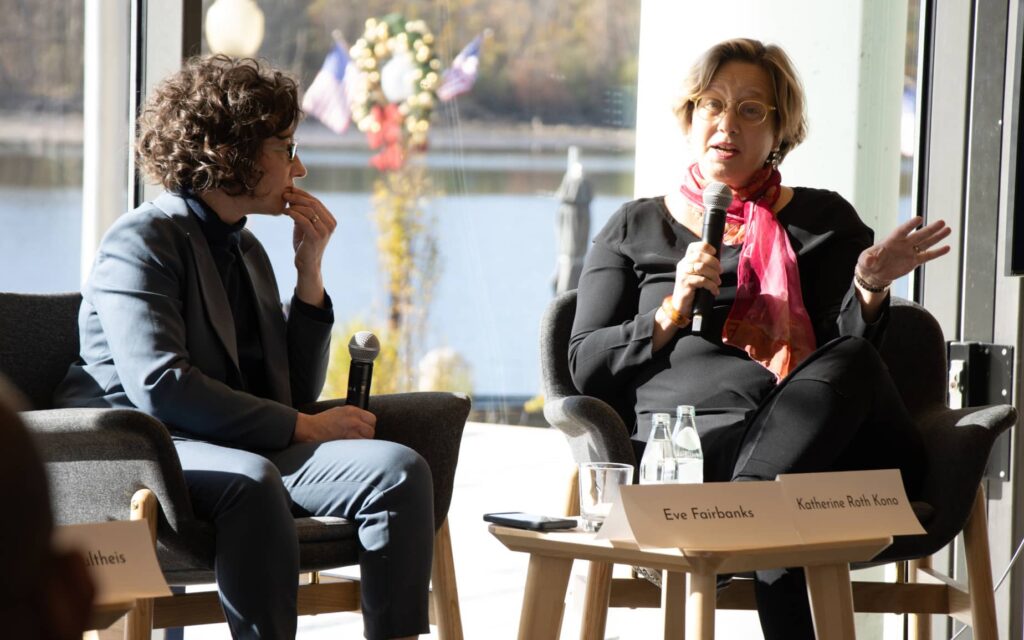
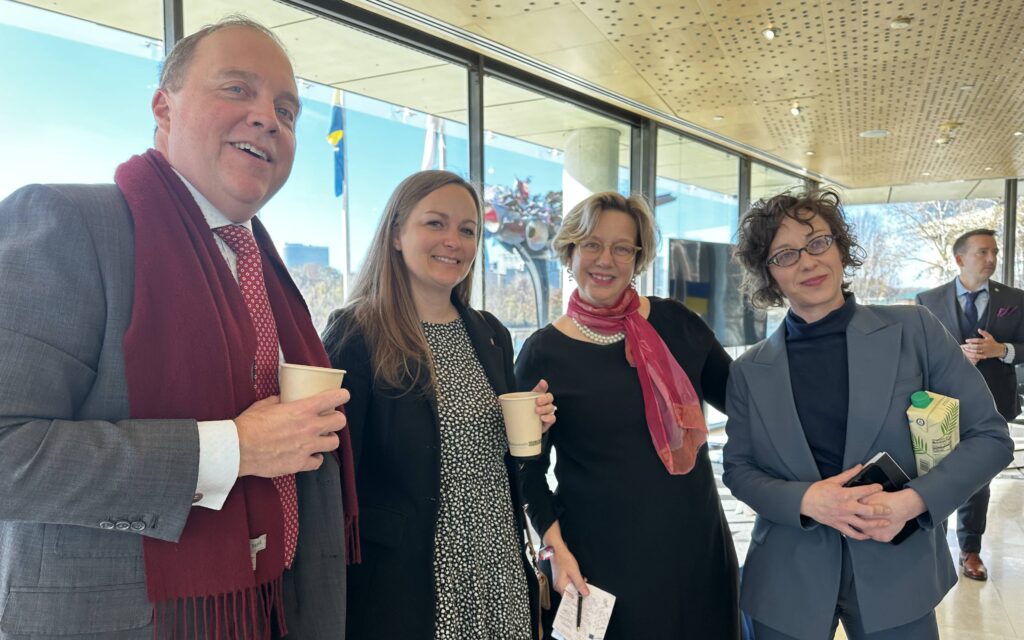
Disaffected communities around the world are finding meaning in the rhetoric of far-right, radical Islamic and other extreme groups, often because they feel shut out of mainstream political discourse, political scientist Andrew Tabler (Lebanon, Syria, 2005-2007) said, moderating the first discussion with journalists Emily Schultheis (Germany, 2019-2021), Eve Fairbanks (South Africa, 2009-2011) and Katherine Roth Kono (Algeria, Yemen, Saudi Arbia, Egypt, France, 1993-1995) about the transformation of the global political order, which is fueling tremendous uncertainty about the future.
To understand German politics during her fellowship in the country, Emily said, she needed to speak “not just to the people who show up and scream loudly at political rallies but others like a school teacher, someone who worked in the local bookshop… people who saw some of the burgeoning far-right leaders and said, ‘This is my neighbor, how could this be a bad guy?’… There was a feeling that some of the concerns they had were not being heard at the national level in politics and as a result they were being demonized for feeling differently.”
Speaking about his fellowship, Andrew said “ICWA changed my life. It changed me from being a journalist into a policymaker… So did getting kicked out of Syria, but that’s another story. The fellowship trained me in longform journalism, which was not such a big jump to policy writing.”
Eve said her fellowship had collapsed the distinction she had previously made between her public and private writing. After penning deeply personal letters to her executive director, Steve Butler, she said she wanted to use “the same authentic voice” in all her writing, deciding to completely rewrite her book about South Africa based on her fellowship experiences. The Inheritors won the PEN/John Kenneth Galbraith Award for Nonfiction in 2023.
Economies and Populations in Flux
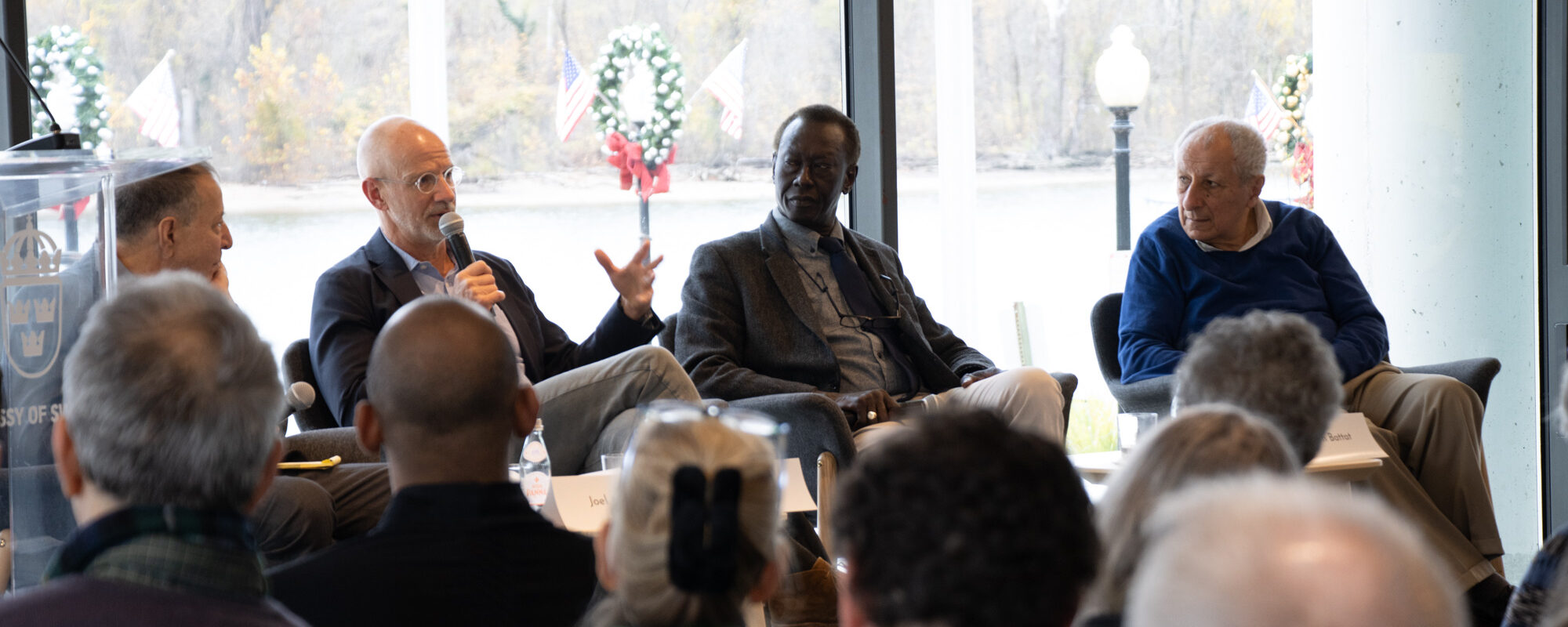
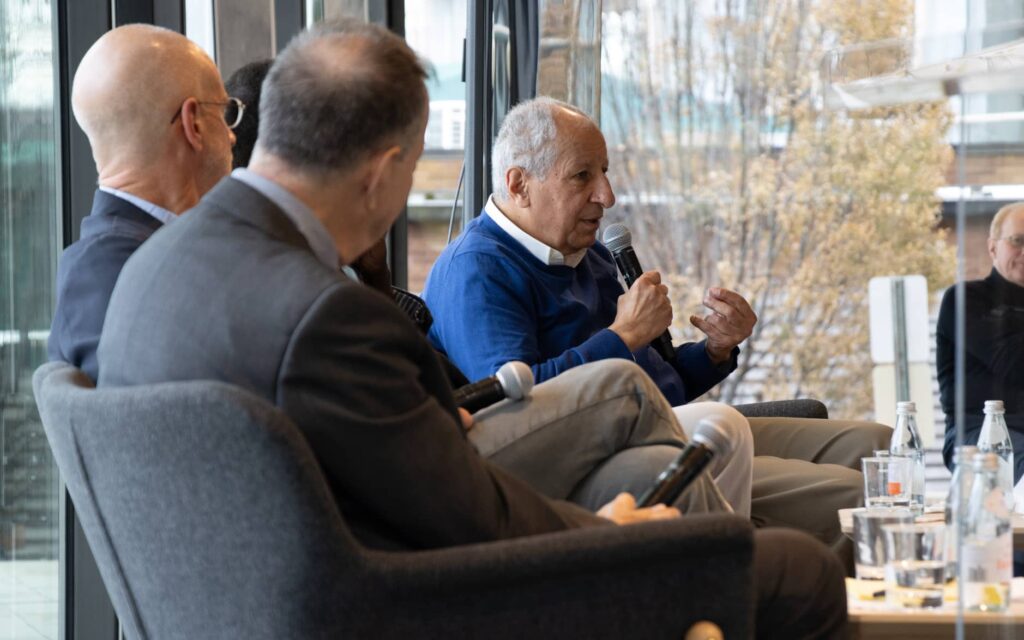
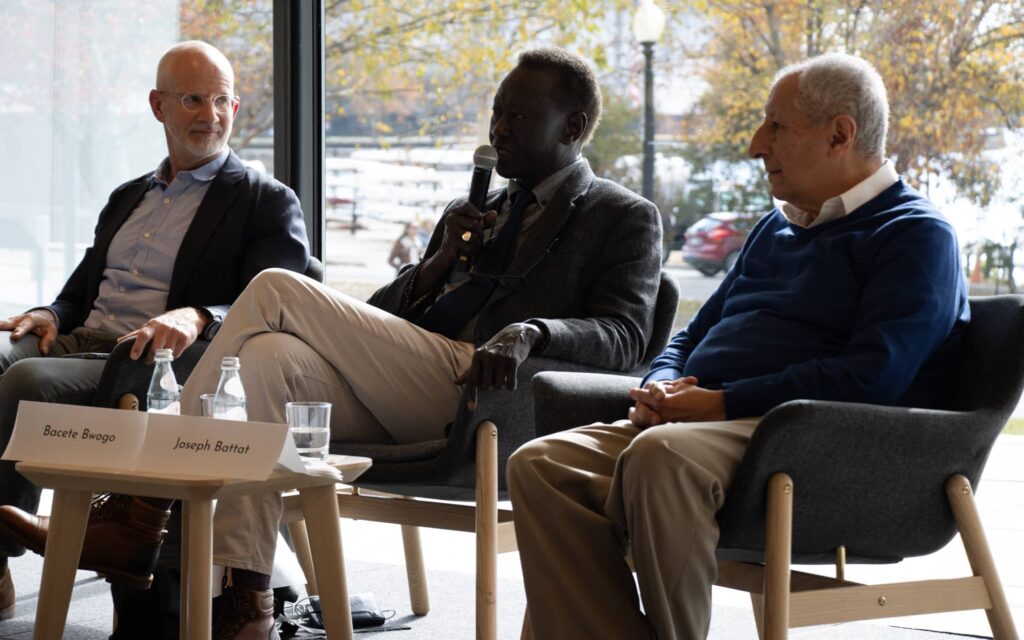
When the globalized economy is fracturing, how do we help advance the fortunes of the most vulnerable whose livelihoods are under threat? That was the focus of a discussion about economies and migration. With a third of the global population working as subsistence farmers, social entrepreneur Willy Foote (Mexico, 1995-1997) said, “we have to embrace the fact that of those 500 million smallholder families, many of them shouldn’t be working in agriculture.” Some will migrate to cities and take up other professions, but for those who remain farmers, nature-based solutions relying on reforestation, restoration and good stewardship of rural ecosystems should provide a large part of the solution to making agriculture profitable. “Where people can actually make a living wage,” he said of his work as the founder and CEO of the leading nonprofit investment fund Root Capital, “that’s going to be really critical for us. But it’s not easy.”
Willy was joined by World Bank veteran Joe Battat (China, 1975-1978) doctor Bacete Bwogo (Cuba, Costa Rica, India, New York, 1992-1995) and journalist Joel Millman (El Salvador, 1987-1989), who moderated the discussion about the new world economic order.
“Why are people leaving the place they belong and going to other places?” Bacete said, speaking about his native South Sudan. “In the old days, when I was very young, Sudanese only left to do some training, and after they finished, they went back home. That was it. You wouldn’t have stayed overseas for any reason.” Although South Sudan is rich with rivers, land and millions of people, he added, today insecurity and lack of jobs are forcing young Sudanese to risk everything to look for work abroad. “I do really hope that when they come here, they are looked upon with some compassion.”
Culture Across Borders
“All fellowships are special,” writer Jean-Benoît Nadeau (France, 1999-2001) said moderating a discussion about the role of culture in global society, “but these three—[co-panelists composer Roger Reynolds (Japan, 1966-1971), director and playwright Kenneth Cavander (United States, 1973-1976) and artist Bryn Barnard (Malaysia, Singapore, Indonesia, Nepal, Thailand, 1981-1984)]—are particularly special because they were artists in the field doing art.” Roger pointed to the importance of “cross-talking” between cultures. Through his fellowship connections, he got a Japanese composer to join the faculty at the University of California San Diego, where Roger teaches, who “gave marvelous guidance in ways the students would never have received from Euro-centric or American professors.”
When cultural exchange declines, results are predictably deleterious for societies, Bryn said, describing Malaysia’s transformation he observed during his fellowship. “The Malays, the country’s newly empowered racially majority had begun the project of erasing the cultural influence of their former colonial masters, the British and their economic rivals, the Chinese,” he said. Although still a multi-ethnic melting pot, Malaysia is now almost entirely governed by the Malay, following an increasingly strict interpretation of Islam. “The doctrine of Malay superiority has been remarkably successful in ginning up populism, exacerbating nativism and deepening populism,” Bryn told the audience. “So, fair warning America!”
The Environment and Adaptation
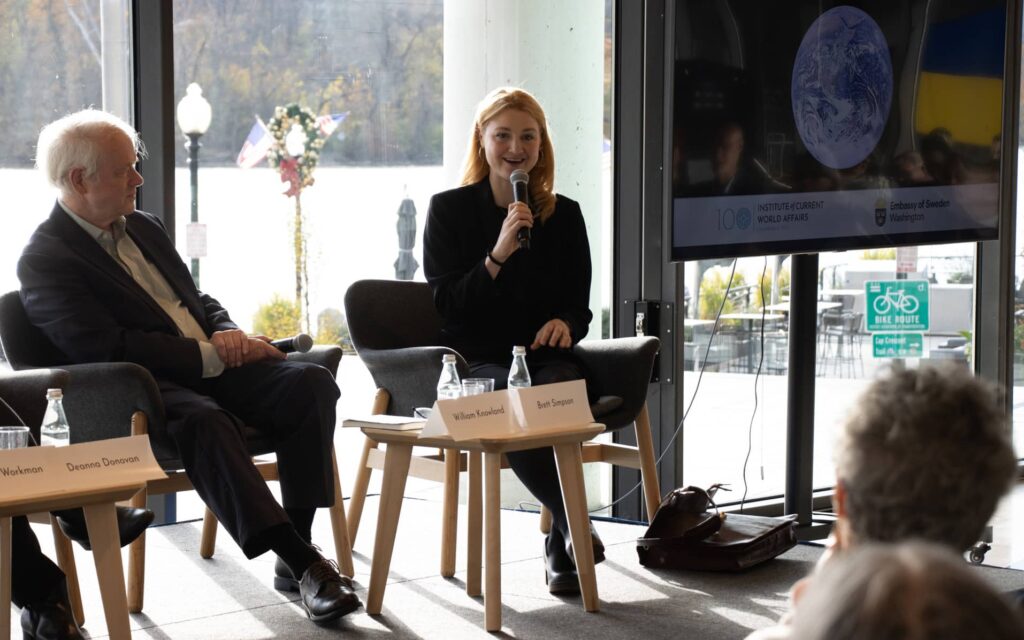
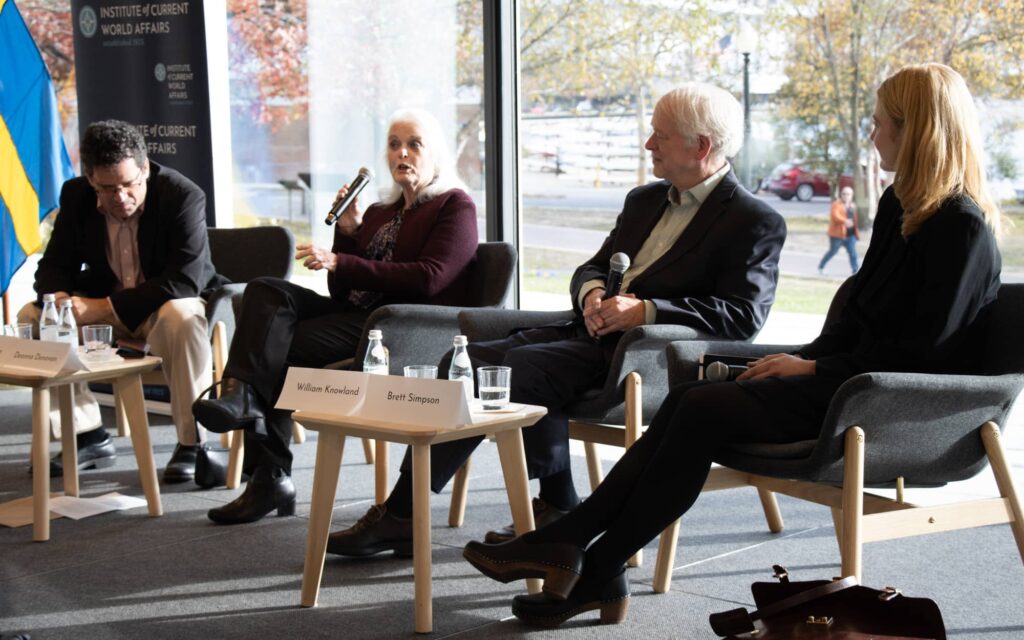
ICWA fellows closed the day contemplating the environment and adaptation. Jamie Workman (Southern Africa, 2001-2003), who developed the world’s first water credit trading platform, AquaShares, moderated a discussion with environmental economist Deanna Donovan (Nepal, 1978-1981), international development consultant Will Knowland (Malaysia 1978-1981) and current ICWA fellow Brett Simpson (Norway, 2024-2026).
“The environment is a lens through which we can see the natural world and our place in it, so it connects to politics, economic development, and energy demands in every field,” Jamie said.
Deanna described visiting factories in Asia still using 19th-century technology to emulate Western practices, and of the need to help societies obtain new technologies to deal with today’s problems, rather than denying them the lifestyles developed countries enjoy.
Brett warned about the collateral damage of “green colonialism” to vulnerable populations such as Indigenous societies in the race to develop renewable technologies. She described the building of disruptive wind turbines on traditional Sami herding land north of the Arctic Circle, where she’s pursuing her fellowship. Pointing to the irony that annual United Nations COP global climate talks are held separately from global biodiversity conferences, she said, “I’d like to see a model valuing the biodiversity and natural services of an area before planning ‘green development’ there.”
Will agreed local communities should be involved in environmental development and protection. Deanna proposed a new way of considering the concept of sustainability, usually said to be “built on three pillars”—economics, society and environment (people, planet, profit). “I see them as nested. It’s the environment that holds us all, and within the environment there’s society, and the economy is how the society interrelates with the environment to maintain itself and develop,” she said. “If the environment goes down, everything goes down. That concept still has to reach policymakers.”
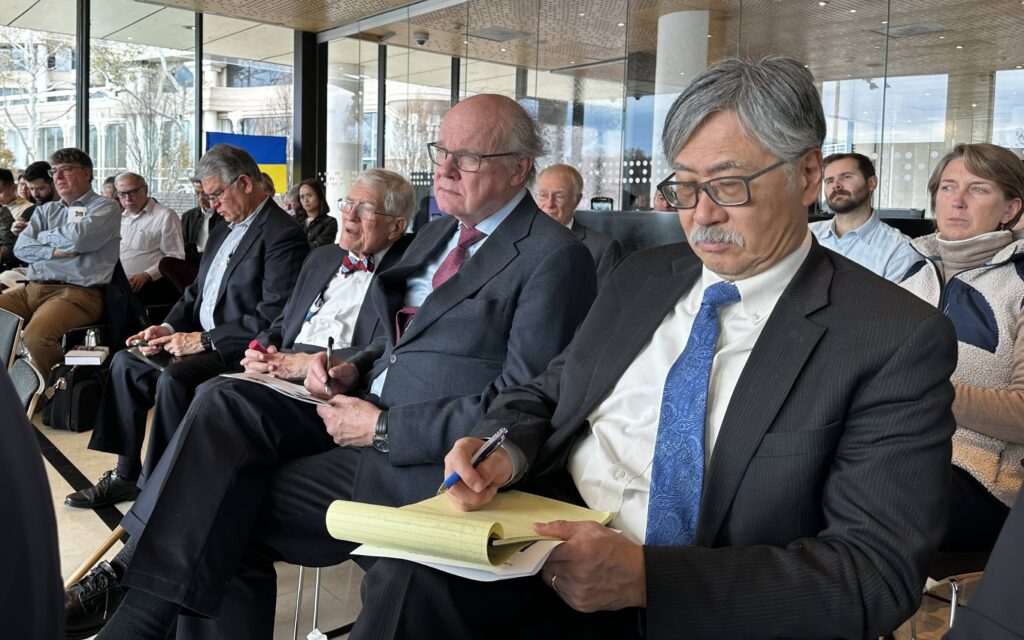
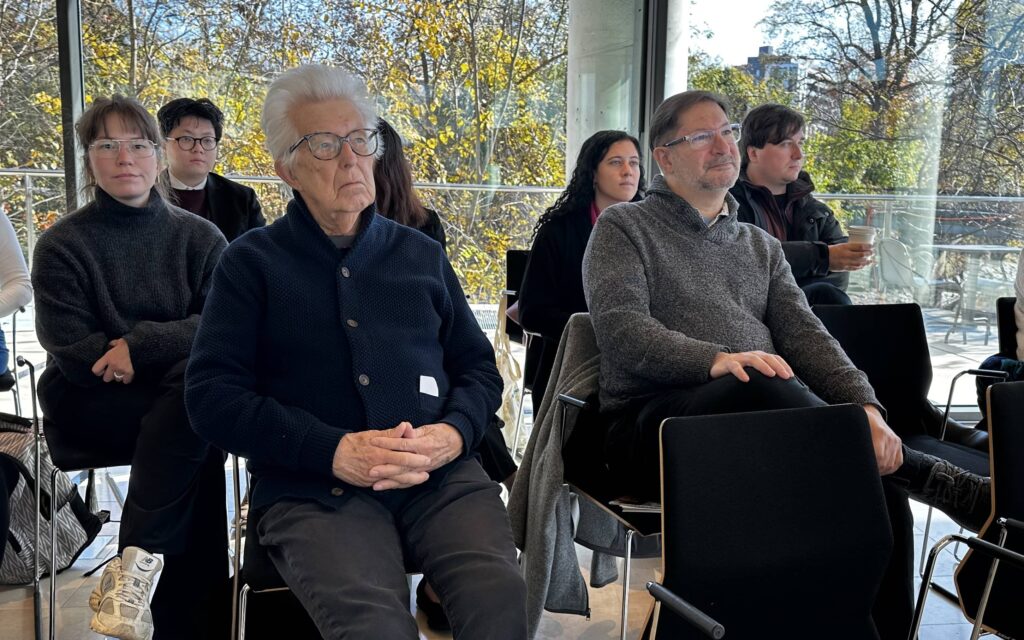
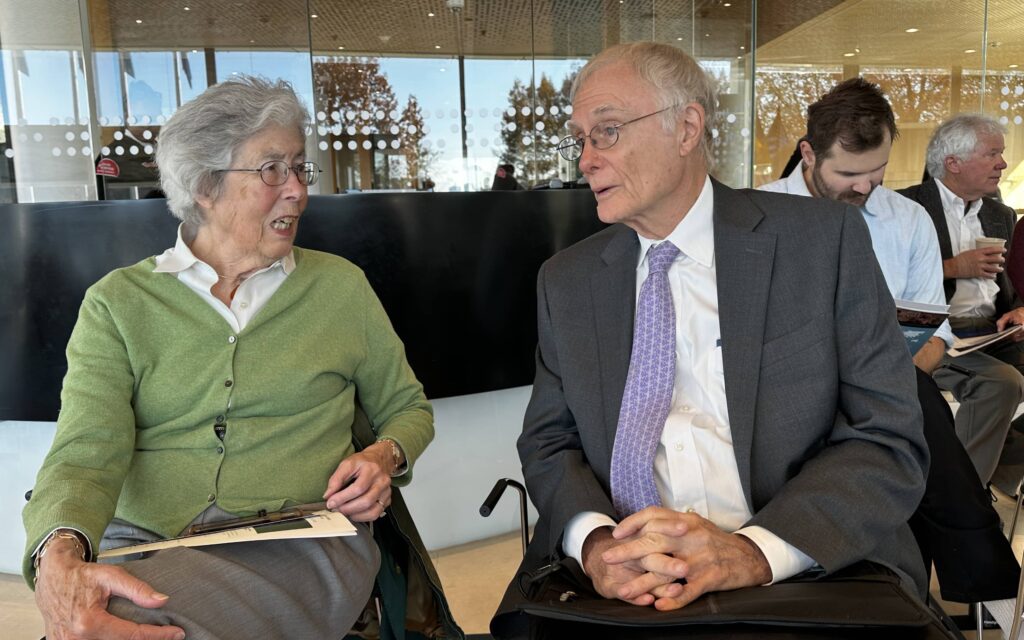
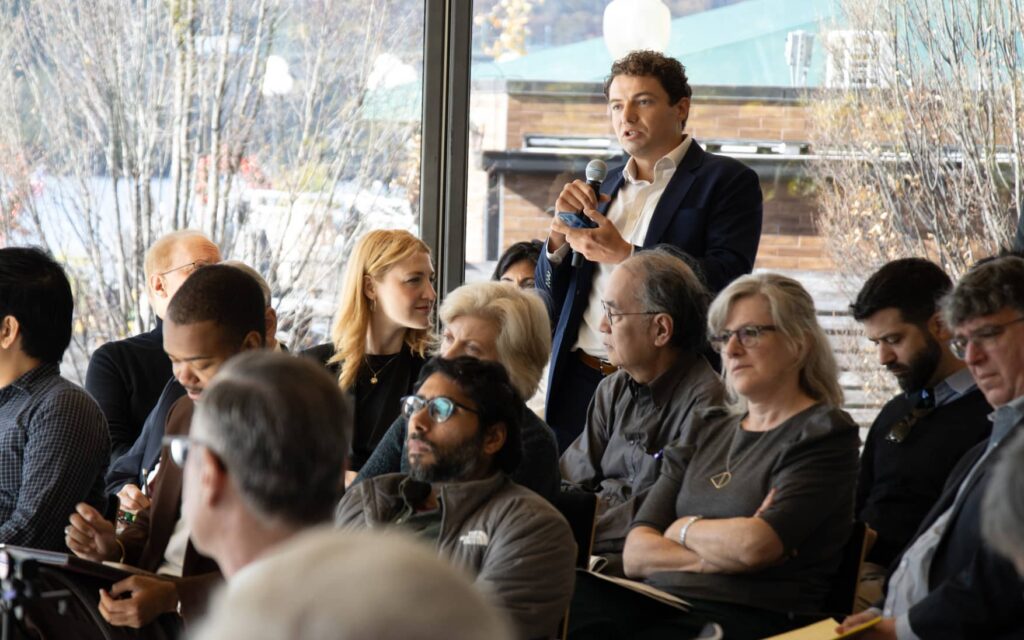
Top photo: Former fellow in Mexico Willy Foote speaks during the panel discussion “Economies and Populations in Flux.”